

Mohawk College launches two new virtual simulations for Diagnostic Cardiac Sonography students
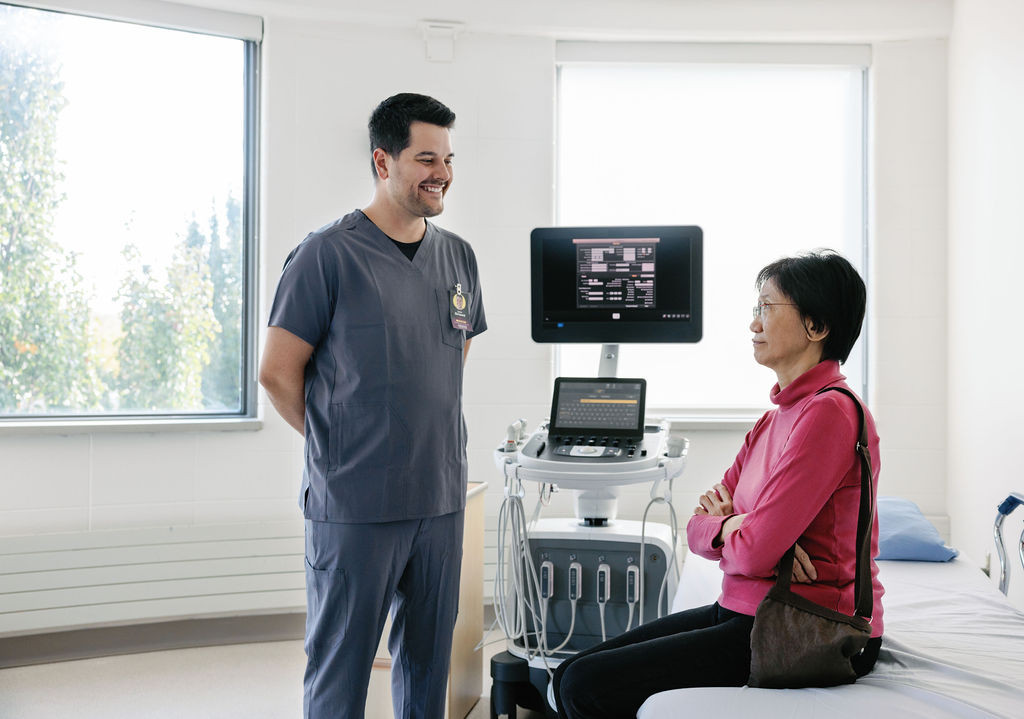
Mohawk College recently added two new open-access resources to VirtuWIL, a Canada-wide project delivered by Colleges and Institutes Canada (CICan), in collaboration with Simulation Canada and with funding from the Government of Canada with an aim to provide healthcare educators across the country access to virtual simulations.
The simulations are designed for students in nursing, medical laboratory sciences, sonography, paramedicine, and respiratory therapy to help students acquire practical competencies and build confidence through innovative, immersive learning experiences.
Used by more than 10,000 students at over 50 institutions, these simulations are free for Canadian educators and students, with many accessible globally.
Mohawk College’s two newest simulations were led by faculty members in the Diagnostic Cardiac Sonography program, Jacqueline Wheatley and Babitha Thampinathan, who co-authored the peer-reviewed simulation modules working alongside a team of faculty and student advisors, clinical and EDI advisors, and production team.
“Our topics addressed effective patient communication through an inclusive and compassionate approach, covering challenging yet common patient scenarios, as well as appropriate informed consent for cardiac ultrasound procedures,” says Jacqueline. The topics were chosen to give students opportunities to practice before interacting with real life patients in later semesters of their program.
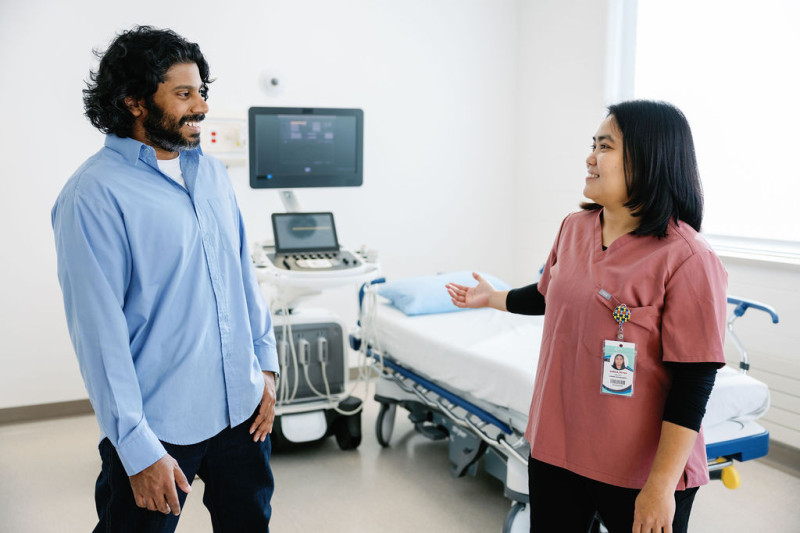 Prior to the creation of these simulations, students could watch videos of patient communication scenarios; however, scenarios specific to cardiac ultrasound were limited, and students could not interact within them. “By exposing [students] to specific scenarios during their in-school semesters, they have a safe space to practice and experiment within a virtual environment that eliminates the risk to real patient care,” says Jacqueline. Overall, the simulations will help improve cardiac patient experiences by ensuring students are better prepared for these situations when they start their practicums in cardiac ultrasound.
Interested in learning more? Access the two simulations Adapting Communication as Cardiac Sonographers: Challenging or Complex Patient Scenarios and Informed Consent and Basic Communication for Students Performing Cardiac Sonography through the VirtuWIL website.