

16
April
2026
|
22:11 PM
Europe/Amsterdam
Back to Activity
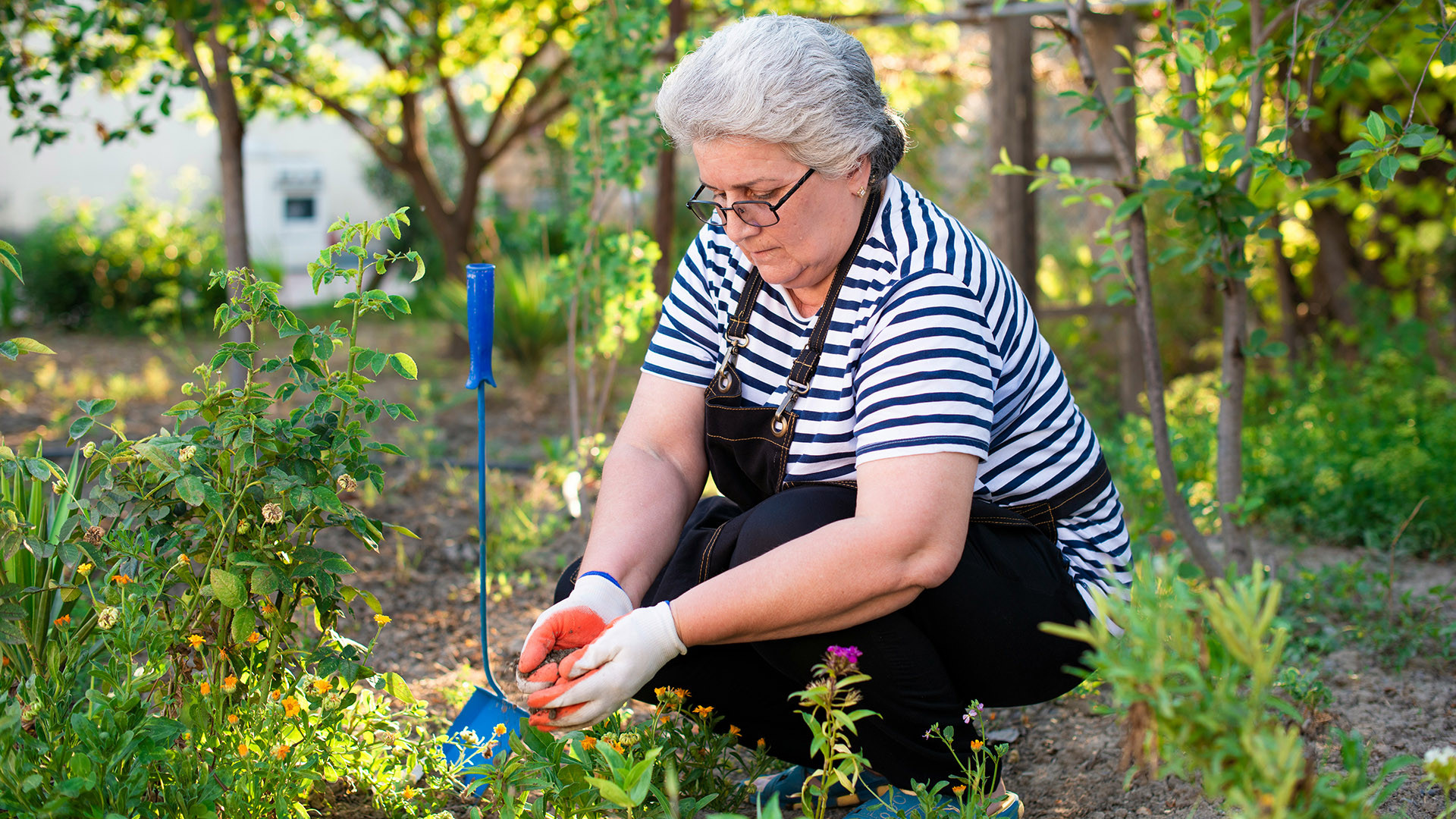
older woman gardening
After months of colder weather and reduced activity, spring often brings a sudden increase in movement, whether it is yard work, long walks, workouts, or tackling spring cleaning. While the motivation is great, jumping in too quickly can lead to strains, sprains, and overuse injuries.
Why injuries increase in spring
During the winter, many people become less active, leading to muscle stiffness and reduced conditioning. When activity levels suddenly increase, the body may not be prepared for the added demand.
How to ease back safely:
- Start gradually
Avoid going from 0 to 100. Slowly increase intensity and duration to allow your body to adapt and build strength over time. - Warm up and move dynamically
A proper warm-up, such as 5 to 10 minutes of light movement, helps increase blood flow and flexibility. Dynamic stretching, using gentle and controlled movements, can improve performance and reduce injury risk. - Build strength and stability
Incorporating basic strength exercises, especially for the core and lower body, supports joint stability and balance and helps prevent injuries during everyday tasks. - Use proper technique and equipment
Whether lifting, gardening, or exercising, focus on posture and form. Use supportive footwear and appropriate tools to reduce strain on your body. - Watch common trouble areas
The back, shoulders, and knees are especially vulnerable during seasonal activities like lifting, raking, or repetitive movements. Take breaks and avoid overexertion. - Listen to your body
Some soreness is normal, but sharp or persistent pain is not. Stop and rest if something feels off. - Stay hydrated and fuel your body
Hydration and proper nutrition support muscle function and help reduce fatigue and cramping.
Reminder:
Some muscle soreness is normal when getting back into activity, but sharp or persistent pain is not. If pain persists, worsens, or includes swelling, weakness, or limited mobility, consider seeking medical attention early to prevent further injury.