

Celebrate Indigenous Peoples Day - June 21
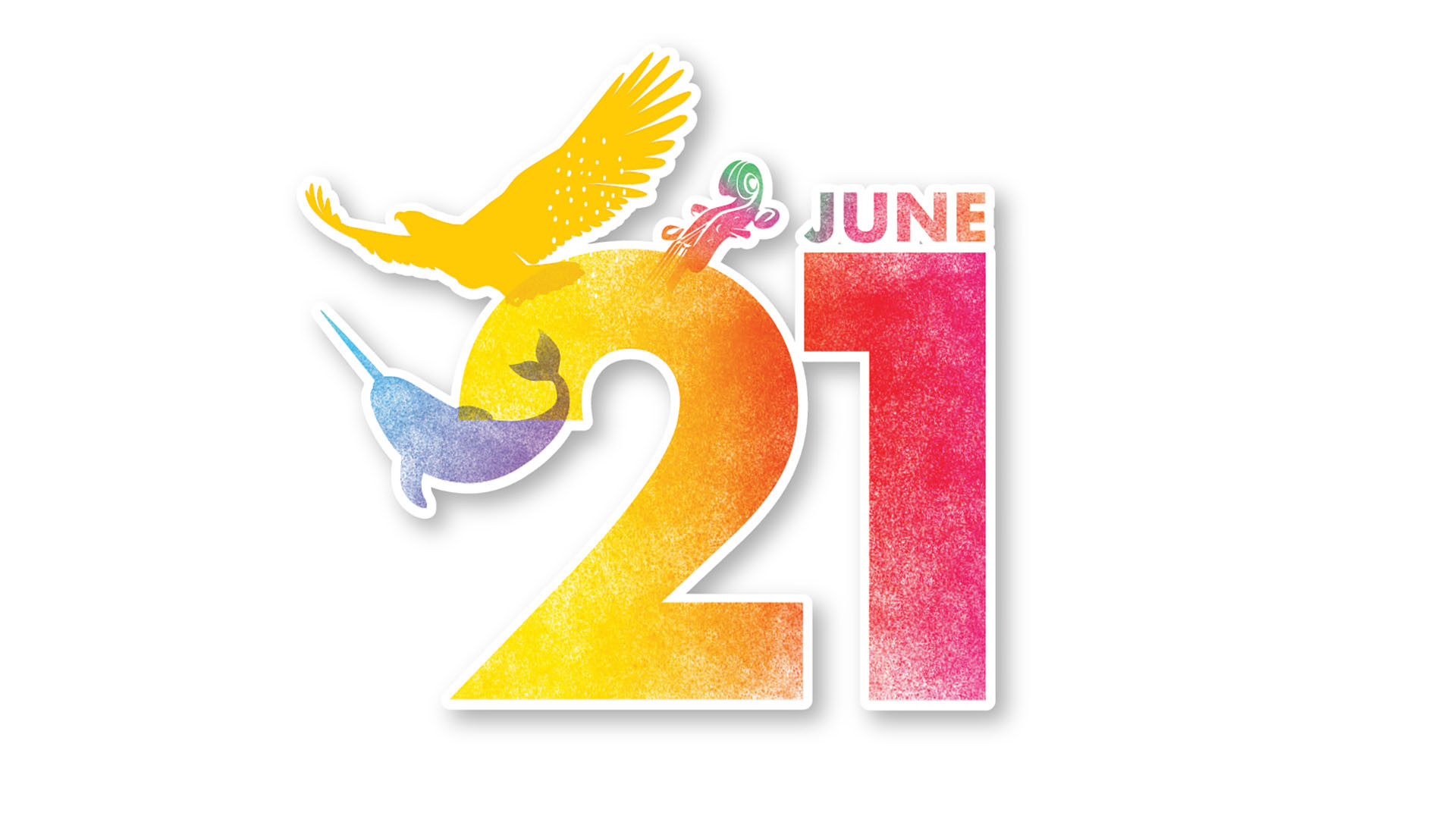
June is National Indigenous History Month
It's a time for everyone - Indigenous, non-Indigenous and newcomers - to reflect upon and learn the history, sacrifices, cultures, contributions, and strength of First Nations, Inuit and Metis people. It’s important to keep in mind that First Nations, Inuit and Métis Peoples each have their own unique histories. And within each group, there are distinct histories.
Indigenous Peoples Day: June 21
The summer solstice is a day that Indigenous peoples around the world have celebrated for thousands of years. The Earth’s northern hemisphere is tilted as close as it gets toward the sun, and we enjoy the longest day of light in the year.
Across the land, First Nations will gather and share in ceremonies and traditions that have been carried out for thousands of years. We gather to celebrate and to thank Mother Earth for her gifts. And we gather to celebrate our languages, cultures and ceremonies, which have persevered and prevailed.
In Canada on June 21, the summer solstice celebration has become National Indigenous Peoples Day, a day of celebration for the contributions and cultures of Indigenous peoples.
Join in the celebration. A number of events are taking place across the city:
- Soaring Spirit Festival & Pow Wow 2025 (multiple dates)
- City of Hamilton National Indigenous Peoples Day Celebration
- Woodland Cultural Centre National Indigenous Peoples Day Celebration
- Family Movies at Ancaster - Our People Will Be Healed (2017) G
See the full list of Indigenous Peoples Day events on the Indigenous Student Services page.
The meaning behind the visuals
At the centre of the National Indigenous History Month design is the sun, symbolizing the summer solstice, a time of celebration for many First Nations, Inuit, and Métis communities.
The design represents each Indigenous group with a distinct symbol: the eagle for First Nations, the narwhal for Inuit, and the fiddle for Métis.
The different colours symbolize the four elements of nature: earth, water, fire, and air. These elements show the deep connection Indigenous cultures have with the natural world.
A stream of colourful smoke flows through the design, reminding us of Indigenous spirituality and reflecting the rich diversity of First Nations, Inuit and Métis communities. Smoke is a significant symbol in Indigenous cultures. It can come from smoking fish and meat, burning sage and tobacco, and it plays an important part in sacred ceremonies and celebrations.