

From Mohawk to Brock: A pathway to a future in Recreation Therapy
When Amanda Valerio enrolled in Mohawk College’s Recreation Therapy program at age 30, she wasn’t thinking about university.
“I went back to school as a mature student. I didn't want that regret of not going back to school,” she says. At first, she was apprehensive, not knowing if she would feel a sense of belonging in college. Soon, those concerns were eased by the welcoming and knowledgeable faculty.
What she didn’t expect was that the decision would lead her not only to a career, but also to a university degree and a future goal to work fulltime as a Certified Therapeutic Recreation Specialist (CTRS).
A program built on hands-on learning
Mohawk College's Recreation Therapy diploma began in 2012, evolving from the previous Recreation & Leisure program as the profession grew and required more specialized training. From the start, Mohawk College collaborated with partners such as Brock University and the University of Waterloo to develop a curriculum that aligned with degree-level studies, providing meaningful pathways for learners.
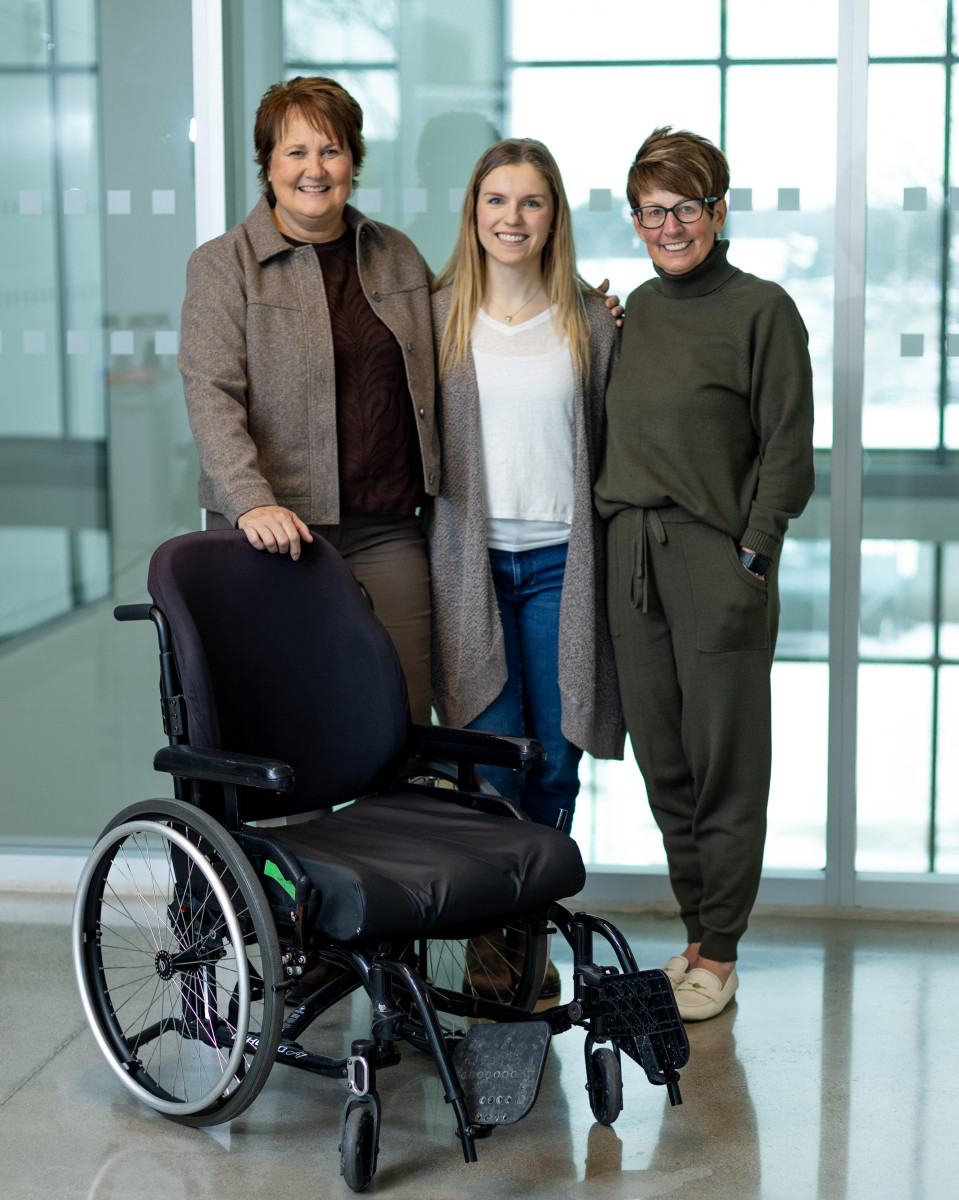
Faculty members Joanne Brohman and Tracy Hopkins, who helped shape the program from its inception, brought field experience and a strong emphasis on practical learning.
“Every class reminds me why this field matters; it’s about connection, meaning, and quality of life through leisure,” says Joanne.
Tracey adds, “It’s so rewarding to watch students excel during their RT placements and to see our graduates secure part-time and full-time positions in the field.”
With extensive field placements and a curriculum aligned with Therapeutic Recreation Ontario Standards of Practice, Mohawk College students build strong foundations in assessment, program planning, therapeutic interventions, and person-centred care.

A pathway to Brock University
For Amanda, the turning point came in the Recreation Therapy program’s final semester course, Professional Practice, where faculty introduced university transfer options and brought in advisors from partner institutions.
“[A representative] from Brock came in and talked about the benefits of continuing your education and the transfer credits you could receive,” Amanda recalls. “I never thought I would go to university, never mind college. It’s incredible that I’ve made it this far.”
Hearing about transfer credits changed everything. Amanda realized she could enter Brock’s Bachelor of Therapeutic Recreation program with nearly two years of the program’s courses already recognized.
“It could not be more perfect. A complete, perfect transition from one [institution] to the other,” she says.
The alignment between programs meant she entered upper-year studies with confidence. Not only had she learned how to write and properly reference for university-level assignments, but she also had obtained more practical experience than many of her university classmates. “I already knew what the field looked like as I had over 500 hours of experience [obtained while at Mohawk] when beginning at Brock,” she says.
From classroom to career
Today, Amanda works as a recreation therapist at St. Joseph’s Healthcare Hamilton, supporting seniors living with dementia.
“I’m providing recreation programming to help minimize responsive behaviours,” she explains. “I really do think my placements at Mohawk were why I got the job — it was a perfect transition.”
While working part-time, she is completing her degree at Brock and preparing for her full-time clinical internship next year. When she graduates in 2026, she plans to write the National Council for Therapeutic Recreation Certification exam and obtain her CTRS designation.
“I want a full-time job. I hope that with my degree, my experience, and my internship, I’ll be ready,” she says.
Mohawk currently has pathway agreements with Brock University, University of Waterloo, and Seneca Polytechnic, giving graduates opportunities to expand their knowledge in research, leadership, and advanced therapeutic practice. These degree pathways also strengthen graduates’ eligibility for professional certifications and leadership roles in hospitals, rehabilitation centres, long-term care, and community programs.
Amanda strongly recommends the pathway options to others. “I absolutely think it’s valuable. I love my job, and I believe in the field,” she says.
For Amanda, the pathway from Mohawk to Brock didn’t just build upon her academic credentials, it has also reshaped her sense of what is possible.
“I’ve surpassed any expectations I ever set for myself,” she says. “It’s been a great ride, and I’m excited to see where it goes.”