

Health & Safety - Tick and Insect Bite Prevention
As the weather warms up, many of us spend more time outdoors, whether for work or recreation. However, this increases our exposure to ticks and other insects that can cause bites and stings, leading to potential health risks such as Lyme disease, allergic reactions, and other infections.
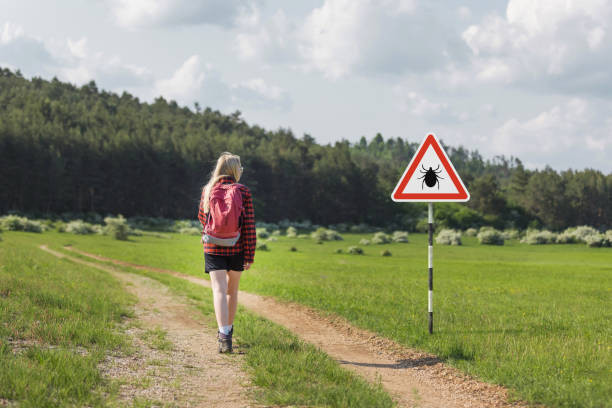
Understanding the Risks
- Ticks: These small arachnids are often found in wooded, grassy, and bushy areas. They can carry diseases like Lyme disease, which can cause severe health issues if left untreated.
- Insects: Mosquitoes, bees, wasps, and other biting or stinging insects can cause allergic reactions and transmit diseases like West Nile virus and Zika virus.
Prevention Tips
- Dress Appropriately:
- Wear long-sleeved shirts, long pants, and closed-toe shoes when in areas where ticks and insects are common.
- Tuck pants into socks to prevent ticks from crawling up your legs.
- Choose light-colored clothing to make it easier to spot ticks.
- Use Insect Repellent:
- Apply an insect repellent approved by Health Canada containing DEET, icaridin, or oil of lemon eucalyptus to exposed skin and clothing.
- Follow the product instructions carefully, and reapply as directed.
- Check for Ticks:
- After spending time outdoors, perform a thorough tick check on your body, especially under the arms, around the ears, inside the belly button, behind the knees, between the legs, around the waist, and in hair.
- Check your pets and gear for ticks as well.
- Shower After Outdoor Activities:
- Showering within two hours of being outdoors can help remove ticks that have not yet attached to your body.
- This also provides an opportunity to do a more thorough tick check.
- Keep Your Yard Safe:
- Maintain your yard by keeping grass short, removing leaf litter, and creating a tick-safe zone with wood chips or gravel between wooded areas and recreational spaces.
- Use tick control products on pets as recommended by your veterinarian.
What to Do if Bitten
- Tick Removal:
- Use fine-tipped tweezers to grasp the tick as close to the skin's surface as possible.
- Pull upward with steady, even pressure. Avoid twisting or jerking, which can cause the tick's mouthparts to break off and remain in the skin.
- Clean the bite area and your hands with rubbing alcohol, an iodine scrub, or soap and water.
- Dispose of the tick by placing it in alcohol, sealing it in a bag, wrapping it tightly in tape, or flushing it down the toilet.
- Insect Stings:
- For bee stings, remove the stinger by scraping it out with a flat object like a credit card. Avoid using tweezers, as squeezing can release more venom.
- Clean the area with soap and water.
- Apply a cold pack to reduce swelling and pain.
- If you experience signs of an allergic reaction (e.g., difficulty breathing, swelling of the face or throat, rapid heartbeat), seek immediate medical attention.
By taking preventive measures and knowing how to respond to bites and stings, you can significantly reduce the risks associated with ticks and insects. Stay vigilant and proactive to ensure a safe and enjoyable time outdoors.
Resources:
https://www.canada.ca/en/public-health/services/publications/diseases-conditions/lyme-pamphlet.html
https://www.canada.ca/en/health-canada/services/about-pesticides/insect-repellents.html