

Health and Safety - Importance of Proper Sleep Hygiene
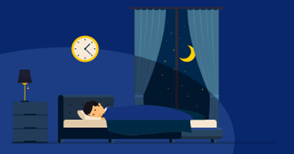
A crucial yet often overlooked aspect of our health: Sleep hygiene. In our fast-paced lives, it's easy to sacrifice sleep for work, socializing, or entertainment. However, neglecting our sleep can have serious consequences for our physical and mental well-being.
Proper sleep hygiene refers to the habits and practices that promote quality sleep and ensure you wake up feeling refreshed and rejuvenated. Here are some key points to consider:
Consistent Sleep Schedule:
Try to go to bed and wake up at the same time every day, even on weekends. Consistency helps regulate your body's internal clock and improves the quality of your sleep.
Create a Relaxing Bedtime Routine:
Establish a calming pre-sleep ritual to signal to your body that it's time to wind down. This could include activities like reading, listening to soothing music, or practicing relaxation techniques such as deep breathing or meditation.
Optimize Your Sleep Environment:
Make sure your bedroom is conducive to sleep by keeping it cool, dark, and quiet. Invest in a comfortable mattress and pillows, and consider using blackout curtains or white noise machines to block out distractions.
Limit Exposure to Screens:
The blue light emitted by screens can interfere with your body's production of melatonin, the hormone that regulates sleep-wake cycles. Avoid using electronic devices like smartphones, tablets, and computers for at least an hour before bedtime.
Watch Your Diet and Exercise:
Avoid heavy meals, caffeine, and alcohol close to bedtime, as they can disrupt sleep. Regular exercise can improve sleep quality, but try to avoid vigorous activity too close to bedtime, as it may be stimulating.
Manage Stress:
Stress and anxiety can make it difficult to fall asleep and stay asleep. Practice stress-reduction techniques such as mindfulness, journaling, or talking to a trusted friend or therapist to help calm your mind before bed.
Seek Professional Help if Needed:
If you consistently struggle with sleep despite making efforts to improve your sleep hygiene, consider consulting a healthcare professional. They can help identify any underlying issues, such as sleep disorders, that may be affecting your sleep.
Remember, prioritizing sleep is not a luxury—it's a necessity for good health and overall well-being. By adopting healthy sleep habits and practicing proper sleep hygiene, you can enjoy the countless benefits of restorative sleep and wake up ready to tackle the day ahead.
Resources:
https://www.cdc.gov/sleep/about_sleep/sleep_hygiene.html
https://camh.echoontario.ca/COVID-Resources/sleep-hygiene-resources/
https://www.anxietycanada.com/sites/default/files/SleepHygiene.pdf