

Health and Safety Moment: Asbestos
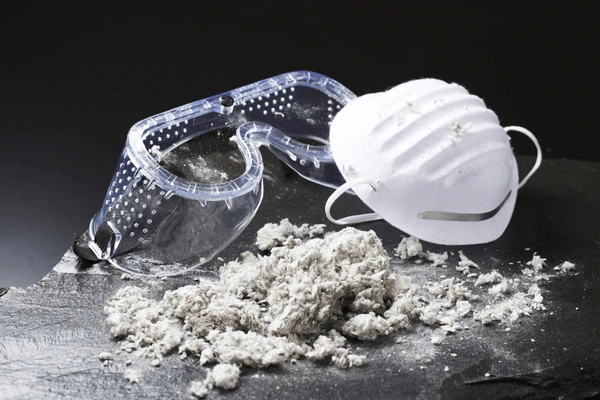
Understanding what asbestos is, where it can be found, and how to handle it safely is crucial for maintaining a safe work environment.
What is Asbestos?
Asbestos is a group of naturally occurring minerals composed of thin, needle-like fibers. Due to its resistance to heat, electricity, and chemical damage, asbestos was widely used in construction materials and various products.
Where Can Asbestos Be Found?
Asbestos can be found in:
- Insulation materials
- Roofing and siding shingles
- Floor tiles and adhesives
- Cement products
- Automotive parts, such as brake pads and clutches
- Older buildings, especially those constructed before the 1980s
Health Risks of Asbestos Exposure
When asbestos fibers are disturbed, they can become airborne and be inhaled. This can lead to serious health issues, including:
- Asbestosis (a chronic lung disease)
- Lung cancer
- Mesothelioma (a rare form of cancer that affects the lining of the lungs, chest cavity, or abdomen)
- Other respiratory conditions
Recognizing Asbestos Hazards
It’s important to be aware of potential asbestos-containing materials in your work area. Some indicators include:
- Old insulation, especially in attics and basements
- Crumbling drywall or ceiling tiles
- Deteriorating floor tiles
Safe Work Practices
To minimize the risk of asbestos exposure, follow these safe work practices:
Do Not Disturb Asbestos: Avoid touching, drilling, cutting, or otherwise disturbing materials that may contain asbestos.
Suspected Asbestos: If you encounter materials that you suspect may contain asbestos, report it to your supervisor or safety officer immediately.
Use Protective Equipment: If your work involves handling asbestos, ensure you wear appropriate personal protective equipment (PPE), including respirators, gloves, and disposable coveralls.
Follow Proper Procedures: Only trained and certified personnel should handle asbestos removal or repair. Ensure all procedures and regulations are strictly followed.
Maintain Good Hygiene: Avoid eating, drinking, or smoking in areas where asbestos may be present. Wash your hands and face thoroughly before breaks and at the end of the day.
Clean Up Properly: Use wet cleaning methods or HEPA-filtered vacuum cleaners to clean areas where asbestos may be present. Do not use dry sweeping or regular vacuums.
Emergency Procedures
In case of accidental disturbance of asbestos-containing materials:
Evacuate the Area: Leave the area immediately and avoid spreading fibers.
Notify Management: Inform your supervisor or safety officer right away.
Isolate the Area: Prevent others from entering the contaminated area until it has been properly assessed and cleaned by professionals.
Asbestos safety is everyone’s responsibility. By being aware of the hazards and following proper procedures, we can protect ourselves and our coworkers from the dangers of asbestos exposure.