

28
March
2025
|
13:36 PM
Europe/Amsterdam
Health and Safety Moment: Electrical Safety
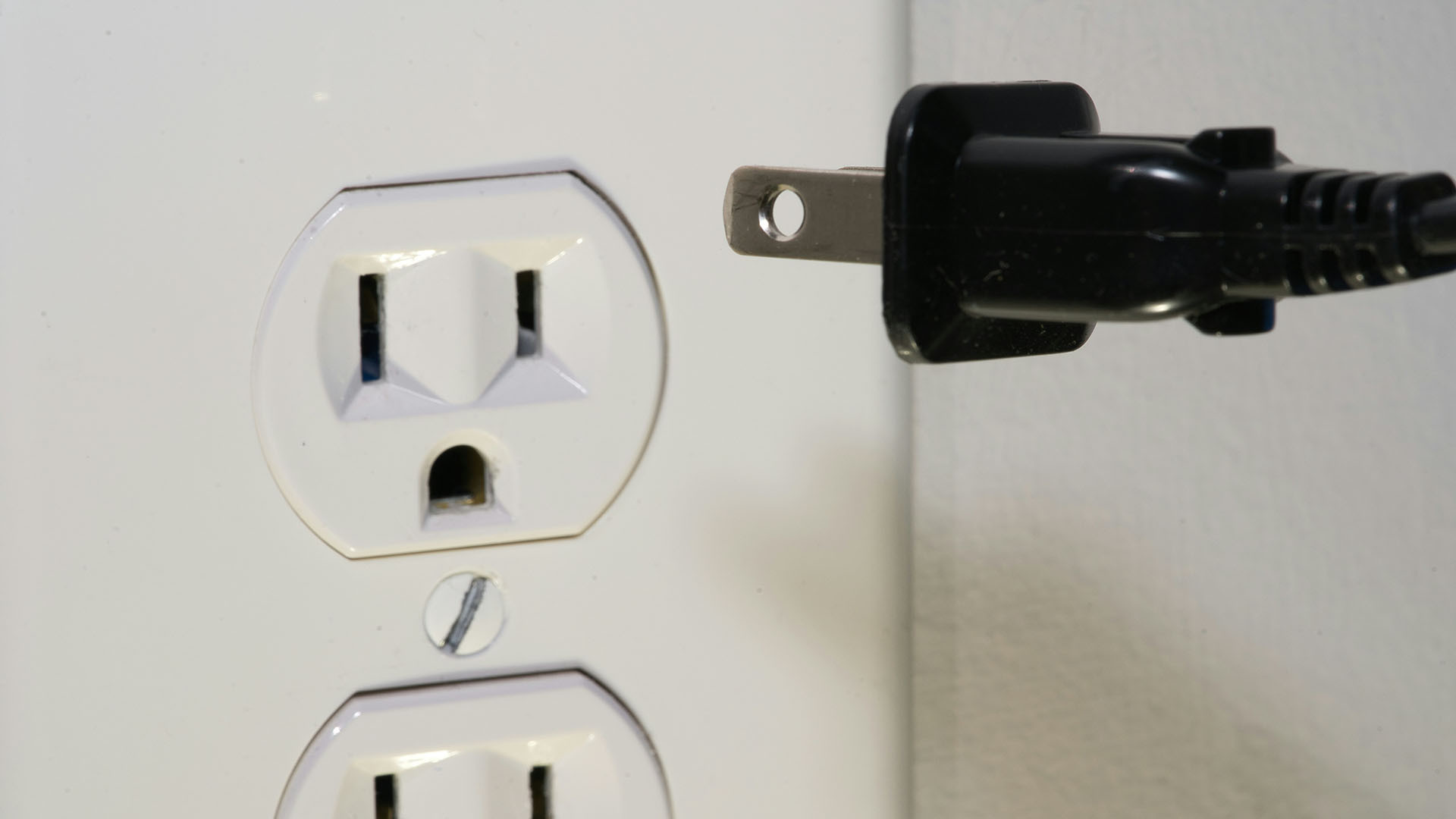
outlet
Electricity is essential in our everyday lives but it can be dangerous as well if not handled correctly. By following a few simple safety practices, you can prevent accidents and stay safe. Here’s a quick guide to electrical safety that everyone should follow:
1. Understand the risks
- Electric shocks: Can cause burns, muscle spasms, or even be fatal.
- Electrical fires: Faulty wiring or appliances can spark fires.
- Electrocution: A high-voltage shock can be deadly.
2. Basic safety tips
- Use equipment correctly: Always follow instructions for electrical tools and appliances.
- Check cords and outlets: Never use damaged cords, and regularly inspect outlets for signs of wear or damage.
- Unplug when not in use: Reduces risk and conserves energy.
- Keep electrical items dry: Don’t handle electrical devices with wet hands, and keep them away from water.
3. Onsite safety
- Wear protective gear: Always wear insulated gloves, non-conductive shoes, and safety glasses when working with electricity.
- Turn off power: Ensure circuits are de-energized before starting work. Use lockout/tagout procedures for safety.
- Get trained: Make sure you’re trained in electrical safety protocols and equipment use.
4. Preventing fires
- Don’t overload circuits: Avoid plugging too many devices into a single outlet or power strip.
- Check for malfunctions: Only use electrical equipment that’s in good condition.
5. Emergency actions
- Turn off the power: If you see sparks or someone is shocked, immediately shut off the power at the source.
- Call for help: In case of a serious shock or fire, call emergency services immediately.
- Don’t touch the victim: If someone is still in contact with electricity, use a non-conductive object to move them away from the source.
By following these simple electrical safety tips, you’ll help ensure a safer work environment for everyone! Stay safe, and remember that electrical accidents are preventable with the right precautions!
For more info, check out this resource: CCOHS: Electrical Safety - Basic Information