

Health and Safety Moment: Understanding and preventing cold stress
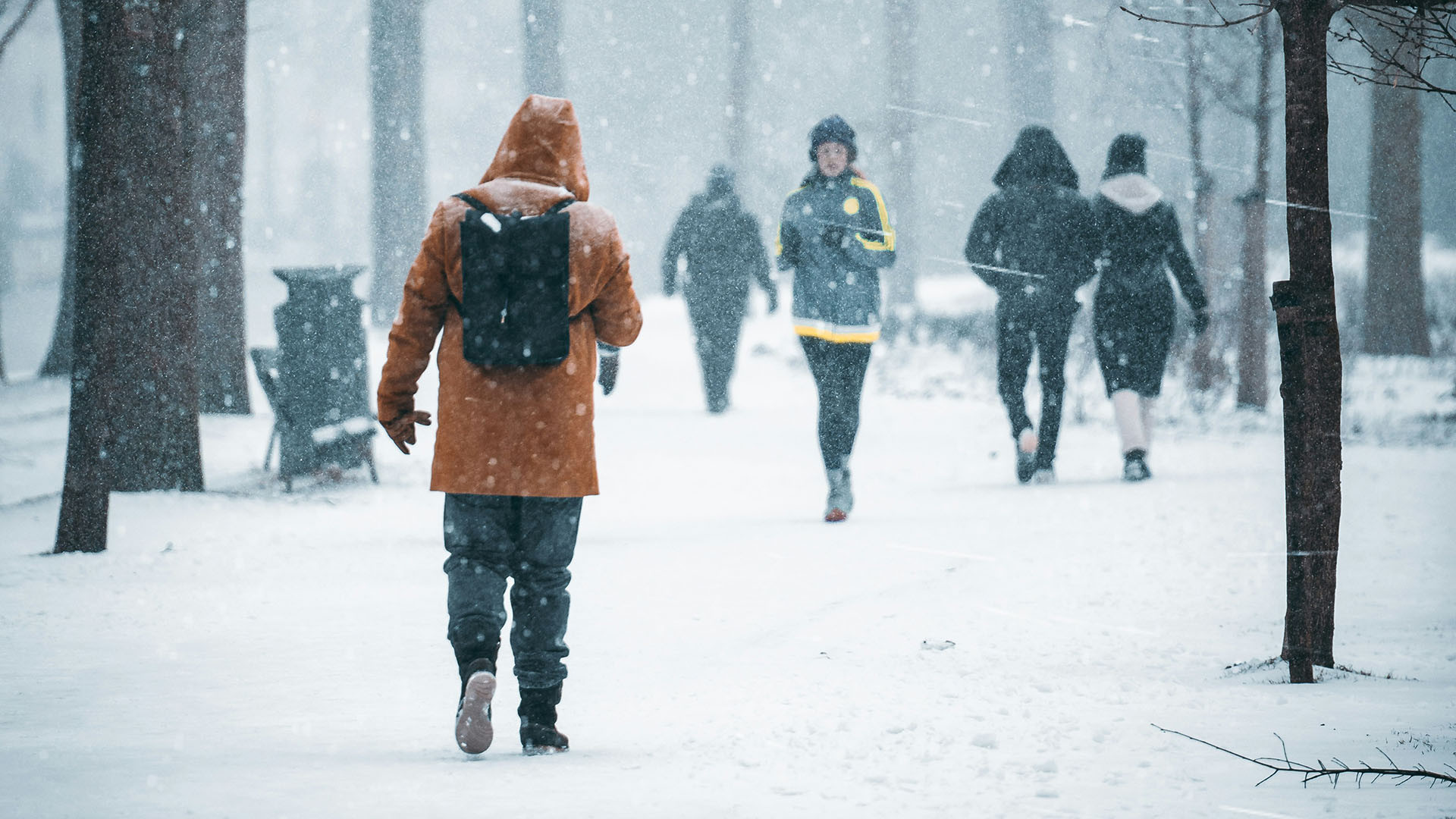
Cold stress is an occupational hazard that occurs when the body is unable to maintain a normal temperature due to prolonged exposure to cold temperatures. Employees working outdoors or in cold environments during winter are particularly at risk. Awareness and preventive measures are essential while working in cold conditions.
Health effects of cold exposure
The effects of cold stress can range from mild to life-threatening. Here’s how it impacts your body:
- Initial response: Blood vessels in the skin constrict to preserve heat for vital organs, leading to numbness and reduced dexterity.
- Prolonged exposure: The body becomes less efficient at generating heat, causing muscle fatigue, confusion, and loss of coordination.
- Severe cases: If untreated, cold stress can lead to hypothermia or frostbite, potentially causing irreversible damage or death.
Recognizing the signs and symptoms
1. Hypothermia symptoms:
- Shivering
- Fatigue and confusion
- Slurred speech
- Loss of coordination
- Severe cases: Unconsciousness or cardiac arrest
2. Frostbite symptoms:
- Numbness in extremities
- Pale, hard, or waxy-looking skin
- Tingling or stinging sensations
- Severe cases: Blackened skin or tissue loss
3. Trench foot symptoms:
- Redness, swelling, or pain in the feet
- Numbness or a heavy feeling
- Blisters or sores
How employees can protect themselves
- Dress properly:
- Wear multiple layers of loose, warm clothing to trap heat.
- Use waterproof, insulated boots and gloves to stay dry.
- Cover exposed skin with a hat, scarf, and face covering in extreme cold.
- Take regular breaks:
- Warm up indoors.
- Avoid prolonged exposure by scheduling frequent breaks in a warm environment.
- Stay dry:
- Change out of wet clothing immediately to prevent rapid heat loss.
- Keep an extra set of dry clothes available when working in damp conditions.
- Stay hydrated and nourished:
- Drink warm, non-caffeinated beverages like water or tea.
- Eat high-calorie, nutritious meals to maintain energy and body heat.
- Work in pairs:
- Use the buddy system to monitor each other for signs of cold stress.
- Report any symptoms immediately to a supervisor or health professional.
- Plan your work:
- Perform heavy physical tasks during the warmest part of the day.
- Limit time spent outdoors during extreme cold weather.
Cold stress is a preventable hazard when proper precautions are taken. By dressing appropriately, staying dry, taking breaks to warm up, and working together, you can stay safe and productive in cold environments
For more information on cold stress prevention, please visit the following resources: