

It’s not you, it’s the time change
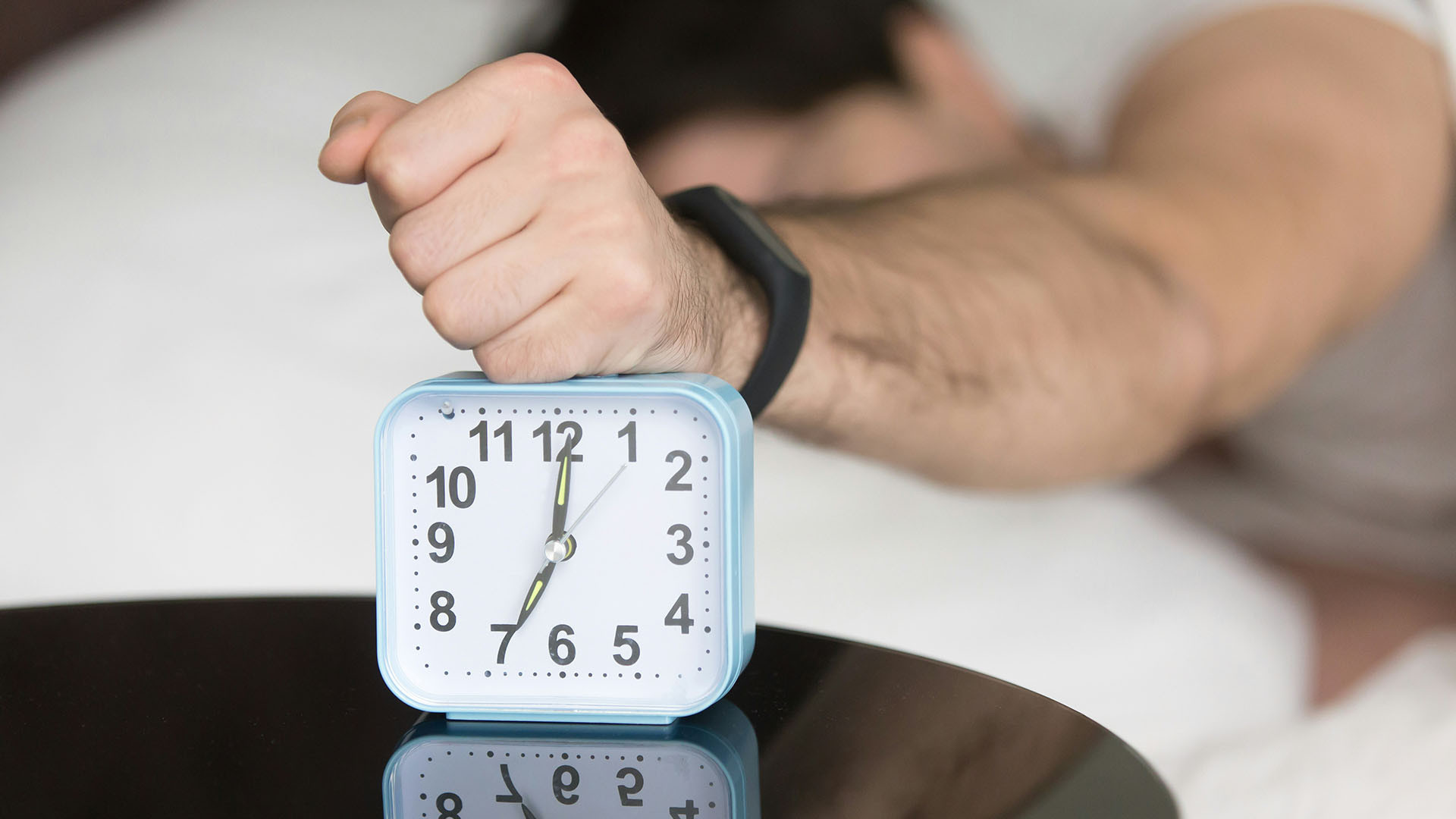
Be honest, did you hit snooze more than usual this week? You’re not alone. We “fell back” and technically gained an hour, but somehow everyone feels like they lost one. The mornings feel heavier, the days shorter, and that 3 p.m. slump hits harder than usual. It’s not just in your head. It’s in your body clock.
The one-hour jet lag nobody talks about:
Our internal rhythm: the circadian clock, runs on light, not numbers on a screen. When sunrise and sunset shift suddenly, the body doesn’t catch up right away.
According to Harvard Health, even small daylight changes “disrupt the body’s circadian rhythms,” affecting sleep, appetite, and mood. So even though the clock says you’ve had more rest, your body disagrees. It’s still living by last week’s light cues, a kind of one-hour social jet lag that makes mornings groggy and evenings restless.
More darkness, less drive:
When we gain that extra hour, we also lose evening light. That change in daylight is what actually drains you. Even a small shift in light exposure can throw off the balance between melatonin, serotonin, and sleep quality. Less daylight means your brain produces melatonin earlier, nudging you toward sleep long before you’re ready. That’s why 5 p.m. suddenly feels like midnight
Why it feels emotional too:
The American Academy of Sleep Medicine notes that time shifts can affect mood and focus by throwing off hormone timing. When your sleep-wake cycle is unstable, your emotional balance takes a hit too. So, if you’ve been crankier, craving carbs, or zoning out- that’s not you “failing to adjust.” It’s just your system recalibrating.
How to reset:
Your body usually adapts within a few days, especially if you help it along:
- Get morning sunlight. Ten to fifteen minutes outside helps your brain anchor to the new time.
- Stick to a schedule. Go to bed and wake up around the same hour daily.
- Move while it’s light out. Even a short walk helps reset your rhythm.
- Ease into evenings. Dim lights at night and avoid screens right before bed so melatonin can kick in naturally.
You didn’t waste your “extra hour” or lose your motivation. You’re just adjusting to a subtle but real biological shift. The clock changed instantly. Your body didn’t. Be gentle with yourself. You’re not off your game - you’re just temporarily in the wrong time zone.
Need a bit of extra support?
If this time of year feels especially draining or you’d like some guidance on health and well-being, our new Employee Assistance Program provider, Homewood Health, offers free and confidential resources.
Access resources without registering:
- Visit homeweb.ca and click “Sign In”
- Use email: MohawkCollege@Efap.com
Password: MohawkEFAP#1
To register for a private account (optional):
- Go to homeweb.ca and click “Register.”
- Type “Mohawk College” and click “Find it!”
- Use invitation code MC7480, then follow the prompts to create your account.
Phone support:
Employees and their immediate family can call 1-800-663-1142, available 24/7, year-round.
References:
The dark side of daylight saving time - Harvard Health
Daylight saving time: an American Academy of Sleep Medicine position statement - PMC
Tips for coping after Daylight Saving Time ends, according to a doctor | CNN