

Mohawk College students install smokeless stoves in rural Guatemala
This past winter, a group of Mohawk College students and faculty members took a transformative trip to Guatemala. An experience they say changed their perspectives on health, community, and what it means to give back.
The trip brought together Allied Health students from Massage Therapy, Recreation Therapy and Autism and Behavioural Science programs, many of whom had not met before being chosen to take part.
At first, the 18 students were nervous about how they would all get along. But by the end of the trip those uncertainties had disappeared. “We became such tight-knit friends,” notes Recreation Therapy student, Grace Aulsebrook-Smith.
In Guatemala, the students and four faculty members, Theresia Arnott-Candy, Michelle Tomson, Joanne Brohman, and Emily Comegna, volunteered in rural Mayan communities alongside the locally-based non-profit organization DIG—Dream, Invest, Grow.
Prior to leaving, the faculty worked with Mohawk College’s International department to help prepare the students.
As part of the trip, Theresia—who had previously volunteered with DIG—and Michelle received research funding through the Mohawk College Steeves Family Innovation Fund to evaluate the impacts of smokeless stoves in rural Guatemalan homes.
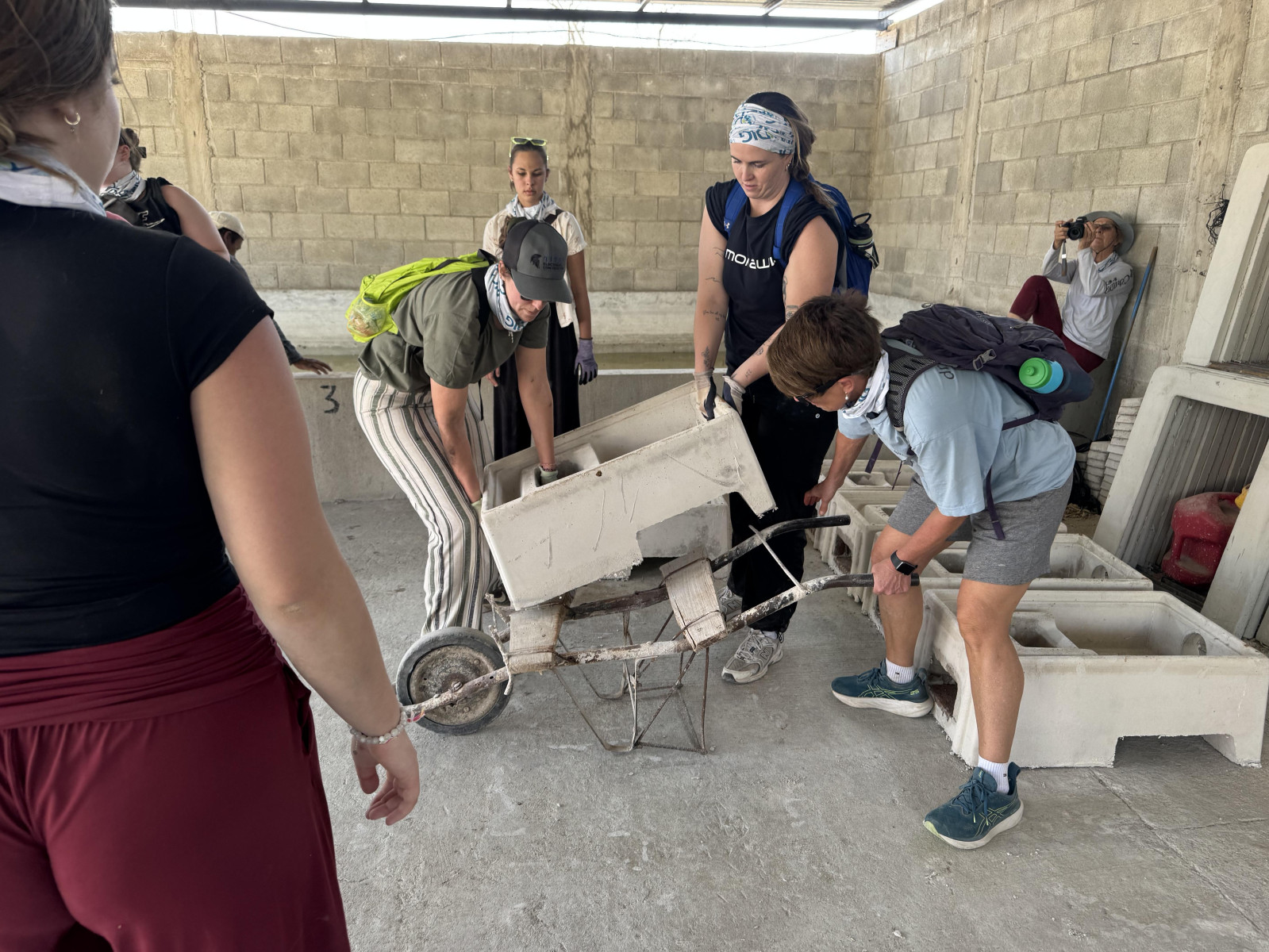
The group worked with DIG to install the stoves, designed to improve indoor air quality and reduce health risks. The work was physically demanding, requiring the students and faculty to carry heavy materials through mountainous terrain.
But the impact was immediate.
“These stoves [will] save people from a lot of [health] conditions,” explained Massage Therapy student Kamilah Swaby, noting the reduction to smoke exposure while cooking will lead to fewer eye infections, respiratory issues and long-term cardiovascular disease.
The trip required months of preparation, including a major fundraising campaign, with each student responsible for raising thousands of dollars. The Mohawk College Foundation helped by setting up fundraising pages for each student and sharing the campaign with their network. Through the students’ collective efforts, including a golf tournament, bake sales, a spaghetti dinner and bottle drives, they ultimately raised over $65,000, exceeding their original $60,000 goal.
“We’re going big or we’re not going at all,” said Grace of the group’s fundraising mindset.
The students were overwhelmed by the support they received not only from their family and friends, but also from Mohawk College faculty, staff and alumni, without whom the trip may not have been possible.
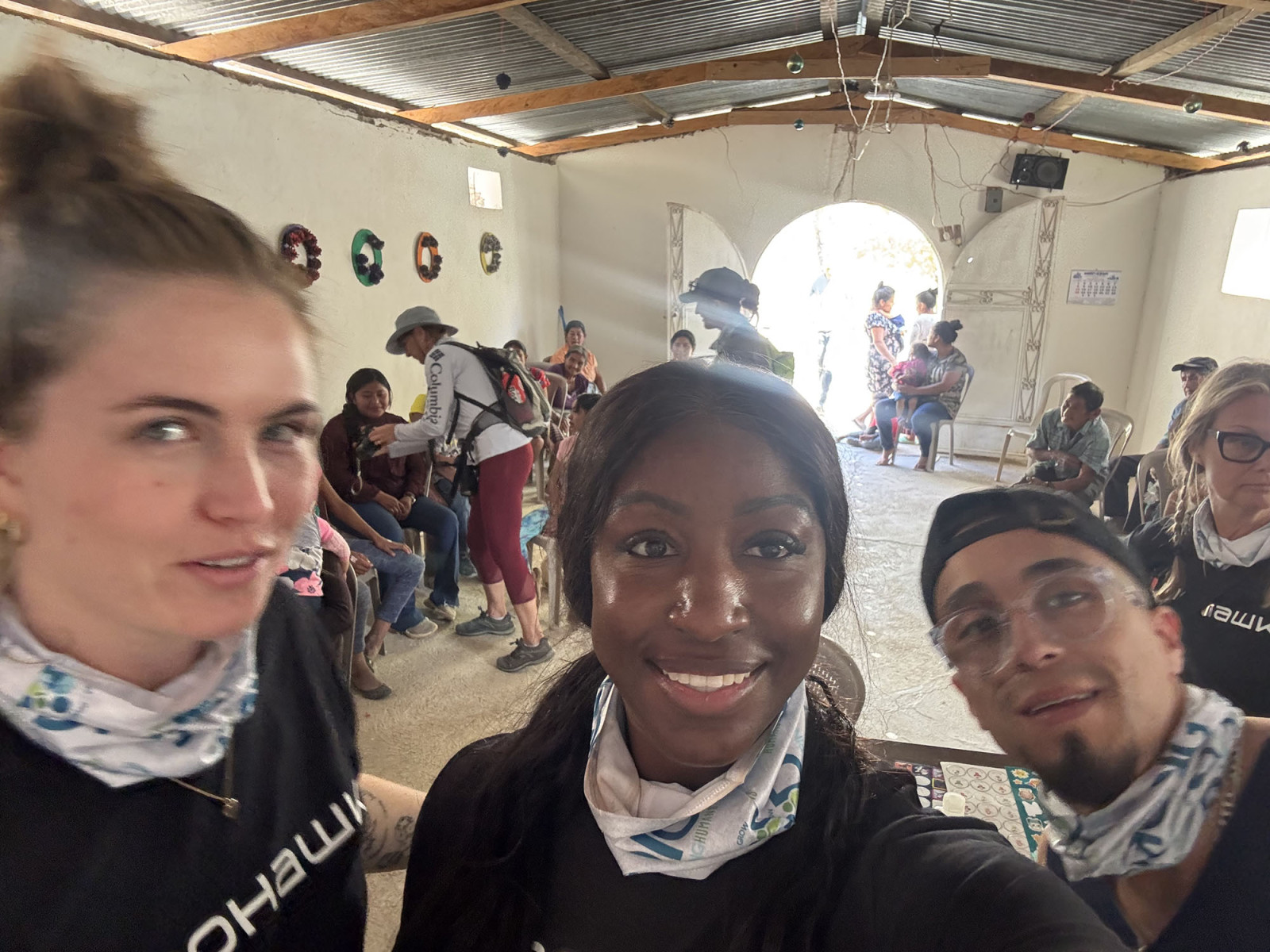
In Guatemala, in addition to installing the smokeless stoves, the students supported after-school programming at a medical clinic. There, Recreation Therapy students led activities such as crafts and games, designed to engage the children.
“I could speak very, very little Spanish,” said Grace. But that didn’t stop her and her classmates from finding ways to communicate with the children. Grace explains how she demonstrated making bracelets by shaking a box of beads and holding up the finished product for the children to see. "It just kind of shows that you don’t really need to speak [the same] language for everyone to understand.”
The most powerful moments came from the people the students met.
“They have [almost] nothing and they still want to give back to you,” said Grace, recalling community members offering food and gifts. That sense of generosity stood out across the group.
“There’s a large sense of community,” said Khaviya Moorthy, an Autism and Behavioural Science student. “[Seeing] how much trust they have in everybody was amazing.”
Students also witnessed the effects of limited access to basic healthcare. Grace noted that something as simple as easy access to eye drops could have significant impacts on many in the community. Something she previously took for granted at home.
These interactions left a lasting impression.
“I think that it’s changed me as a person,” reflects Kamilah.
Others echoed that sentiment, noting a shift in perspective after returning home.
“There was a reverse culture shock,” said Grace, describing how everyday conveniences in Canada felt different after the trip.
For these students, the experience reinforced both personal and professional goals, from pursuing careers in healthcare to seeking more volunteer work abroad.
While the trip lasted just one week, the students say its impact will stay with them for a lifetime.
(If you can't see the video embedded at the top of this page, please click the green “Accept Cookies” button)