

Reclaim your energy during fall fatigue
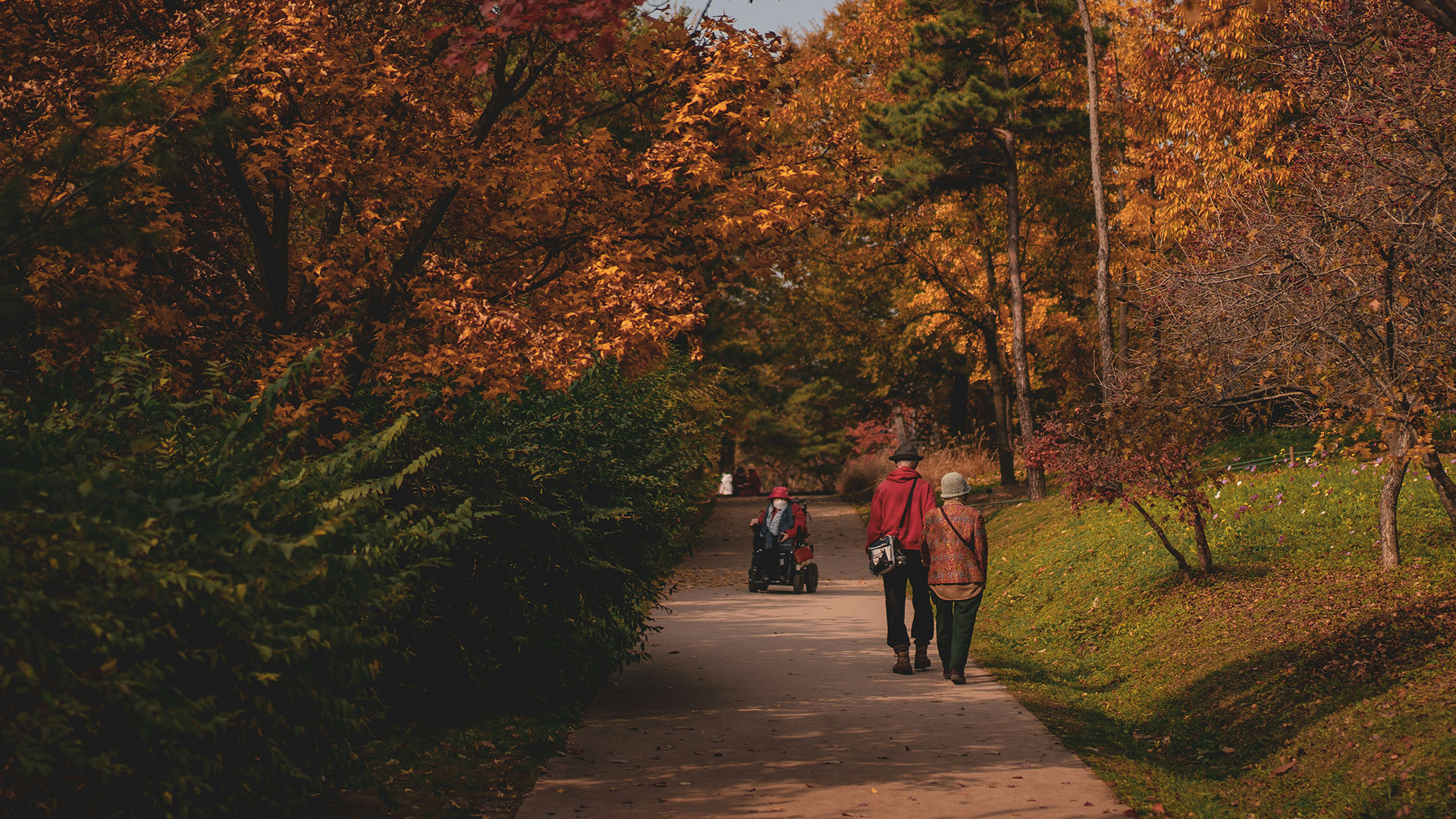
As the long, sun-filled summer days slip away and autumn settles in, it’s not just the weather that changes; your energy does, too. Mornings may feel tougher, and by mid-afternoon, you’re dragging. Sound familiar? You’re not imagining it, and you’re not alone in this. “Fall fatigue” is real.
It’s a season of many demands: Family commitments, daily chores, many celebrations and gatherings, year-end deadlines and getting ready for winter! With so much happening, it’s common to feel like your personal hobbies and creative pursuits—art, fitness, cooking, travel, or learning something new—are out of reach. But this isn’t a sign that you’re failing yourself; it’s a reflection of your mind and body adjusting to the season and the demands around you.
Why this happens
- Circadian rhythms: Your body’s internal clock is influenced by sunlight. Shorter days and less light in the fall can disrupt sleep-wake cycles, making mornings harder and mid-afternoons sluggish.
- Serotonin and melatonin shifts: Serotonin, which boosts mood and energy, decreases with less sunlight, while melatonin, the sleep hormone, increases earlier in the day. These changes can leave you feeling tired, less motivated, and even affect your mood.
- Decision fatigue: Managing work, school, family, and social obligations drains mental energy, leaving less for self-directed activities. That’s why hobbies and creative projects feel like “too much” even when you want to do them.
Practical ways to reclaim energy
1. Maximize natural light
Spend 20–30 minutes outside in the morning or early afternoon. If that’s not possible, consider a light therapy lamp. Sunlight exposure helps regulate serotonin and melatonin, boosting mood and energy.
2. Take small steps toward your hobbies
Instead of aiming to finish a project, try “micro-goals”: write a few lines, dance to one song, or sketch for five minutes. Completing even tiny tasks gives your brain a dopamine boost and rebuilds motivation.
3. Move your body gently
Exercise boosts energy and mood, but it doesn’t need to be intense. Brisk walking, cycling, yoga, or light stretching helps circulation and endorphins without exhausting your limited energy. Whenever possible, combine movement with natural light for extra benefit.
4. Fuel your body intentionally
Choose meals with lean proteins, vegetables, whole grains, and healthy fats. Small, frequent meals maintain energy better than quick-burning sugary snacks. Don’t forget water—hydration affects both energy and focus.
5. Prioritize sleep quality
Keep a consistent sleep schedule, limit screens before bed, and make time for relaxation. Magnesium or other supplements can help, but check with your healthcare provider first. Good sleep regulates hormones and restores energy more than extra hours in bed.
A gentle reminder
It’s okay if your creative hobbies or personal projects are on pause right now. Your energy is being invested in what’s essential: work, family, and community. That doesn’t mean your passions are gone - they’re waiting for you to return when the time is right.
At our campus, you’re not alone in this. Check in with friends, peers, and colleagues. Lean on the community around you, and remember that rest, reflection, and small wins are all part of moving through this season with resilience.