

Understanding Gender Differences in Health and Safety at Work
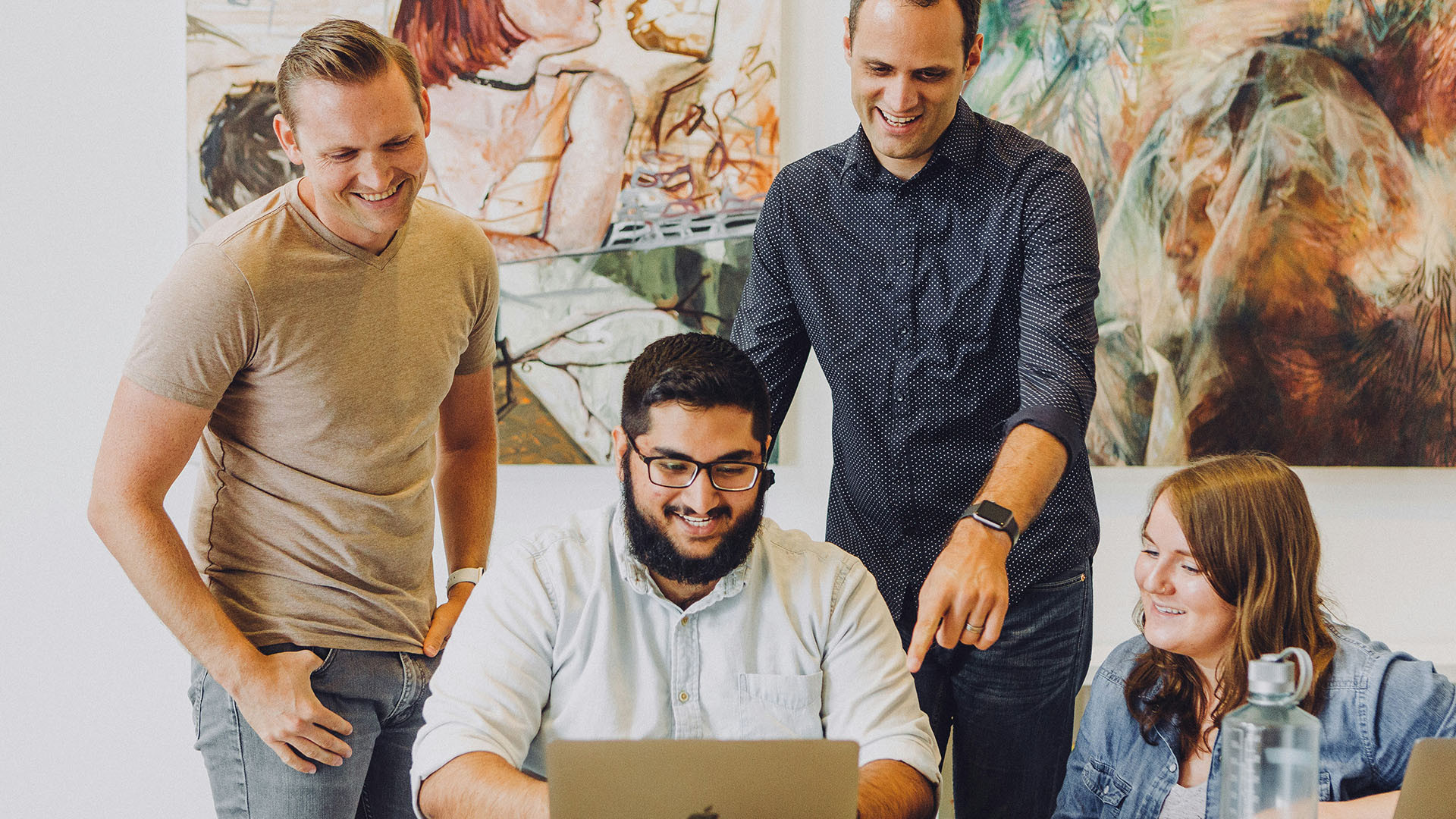
Gender can significantly shape the types of health and safety risks people face at work. By understanding how gender affects workplace experiences, we can work together to make our workplace safer, healthier, and more inclusive for everyone. Here’s a look at how these issues may impact you and your coworkers, along with some actions you can take to support a safer environment.
1. Managing Workplace Stress
Workplace stress affects everyone, but men and women can experience it differently. Here’s how:
- Supervisor Support: Women often report higher stress in environments where supervisor support is limited. If you’re feeling unsupported, don’t hesitate to seek guidance or connect with mentors who can help.
- Job Control and Demand: High-demand, low-control jobs can be stressful. Women, in particular, may find these conditions lead to stress that affects both work and life. Discuss ways to manage workload and gain autonomy where possible.
- Job Insecurity: For many men, job insecurity can be a top stressor. Open conversations about job expectations and growth opportunities can help ease this anxiety.
Your Role: If you’re feeling stressed, consider accessing EAP resources, mental health support or talking to your supervisor about ways to improve job satisfaction. Sometimes a small change can make a big difference!
2. Physical Health and Ergonomics
Our work environments and tasks should fit our unique needs, but sometimes protective equipment or workspaces aren’t as comfortable or effective for everyone.
- Musculoskeletal Health: Repetitive tasks or prolonged standing can lead to strains or injuries, especially in certain fields. Men and women may experience different physical demands, with women more prone to repetitive strain injuries in some sectors and men more likely to handle heavy lifting.
- Personal Protective Equipment (PPE): PPE like gloves and helmets should fit well to protect you effectively. Women, in particular, may find that standard PPE doesn’t always fit right, which can reduce protection.
Your Role: If your equipment doesn’t fit or causes discomfort, speak up! Reporting these issues can lead to better, more comfortable solutions. Adjusting your workspace or using ergonomic tools can also help prevent injuries.
3. Health Risks in Different Jobs
Different roles come with unique health risks, which can vary by gender:
- High-Risk Occupations: Physically demanding jobs, such as construction, often carry higher injury risks and are predominantly male-dominated. Ensure you’re following all safety protocols and using proper equipment to minimize risk.
- Health and Social Services: Many women work in healthcare and service-oriented professions, where they may face exposure to infectious diseases or emotionally challenging situations. Practicing proper hygiene and self-care is crucial in these settings.
Your Role: Know the specific risks associated with your job, and take advantage of any safety training the organization offers. It’s also important to reach out for support or guidance if you feel at risk.
4. Mental Health Support
Mental health is a crucial part of workplace wellness, but men and women may have different experiences:
- Mental Health Stigma: Many men feel social pressure to avoid showing vulnerability, which can discourage them from seeking help. Women may also experience stress balancing work with other responsibilities, like caregiving.
- Work-Life Balance: Juggling personal and professional responsibilities is challenging, particularly for those with additional caregiving roles.
Your Role: Everyone can benefit from resources like counseling or stress management programs. Don’t hesitate to use these resources—they’re here to support you. Work-life balance is essential, so consider flexible options if you’re feeling overwhelmed.
Creating a Safer, More Inclusive Workplace Together
Understanding the different challenges that employees may face based on gender helps create a safer, healthier, and more supportive environment for everyone. If you have questions or concerns about health and safety—or suggestions on how to improve workplace wellness, please reach out. We’re all responsible for making our workplace a place where everyone feels safe and supported.
Resources: CCOHS: Gender, Work and Health - Resources