

09
July
2026
|
16:18 PM
Europe/Amsterdam
Water Safety Tips
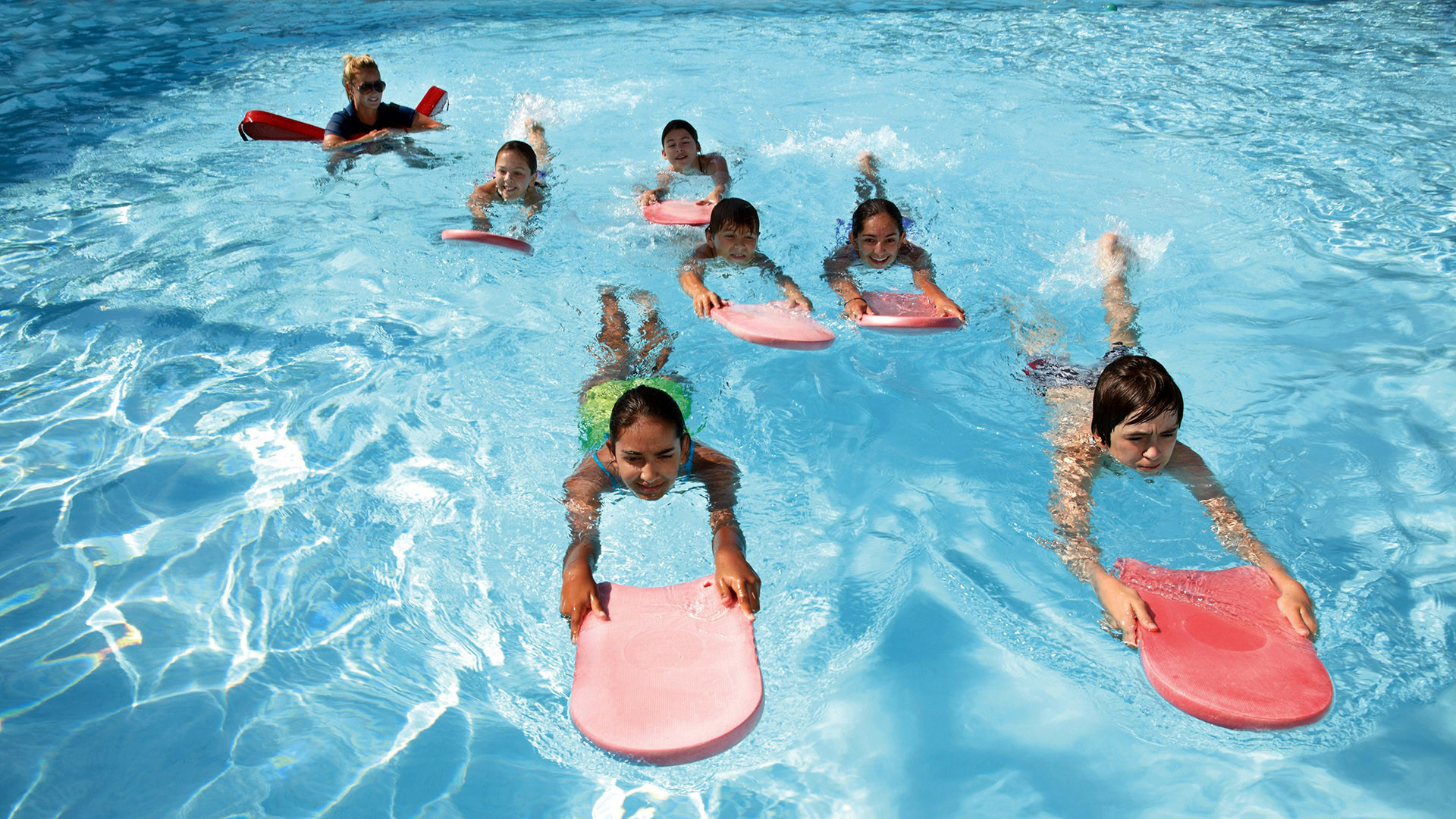
children swimming in a pool
Water competency is a way of improving water safety for yourself and those around you through avoiding common dangers, developing fundamental water safety skills to make you safer in and around the water, and knowing how to prevent and respond to drowning emergencies.
Water Smarts
Take these precautions when you’re around water:
- Never swim alone: Always have a buddy, whether in a pool, lake, or river.
- Active supervision: Assign a dedicated "water watcher" to constantly monitor children without distractions (no phones or reading).
- Lifejackets: Use approved lifejackets or personal flotation devices (PFDs) for weak swimmers. Do not rely on inflatable air-filled toys (like water wings), which can provide a false sense of security.
For backyard pools:
- Install a four-sided fence: Ensure the pool is enclosed by a fence at least 4 feet high.
- For above-ground pools, remove the ladder or steps entirely whenever the pool is not in use.
- Self-closing/latching gates: Gates should open outward, be self-closing, and have a lock or latch placed beyond a child's reach.
- Remove hazards: Keep toys, patio furniture, and debris away from the pool edge so children cannot climb over the fence.
Other Precautions:
- First Aid and CPR: Learn basic lifesaving skills by taking certified courses.
- Clear emergency plan: Have a working phone and a list of emergency numbers displayed close to the pool.
- Diving: Never dive into shallow or unknown water. The safe depth for diving is typically at least twice your height.
- Avoid alcohol: Do not mix drugs or alcohol with swimming or boating.
- Follow posted rules: Always obey lifeguards, and look out for water conditions like currents, undertows, or changing weather.